Why Small Details Matter in Urban Sketching
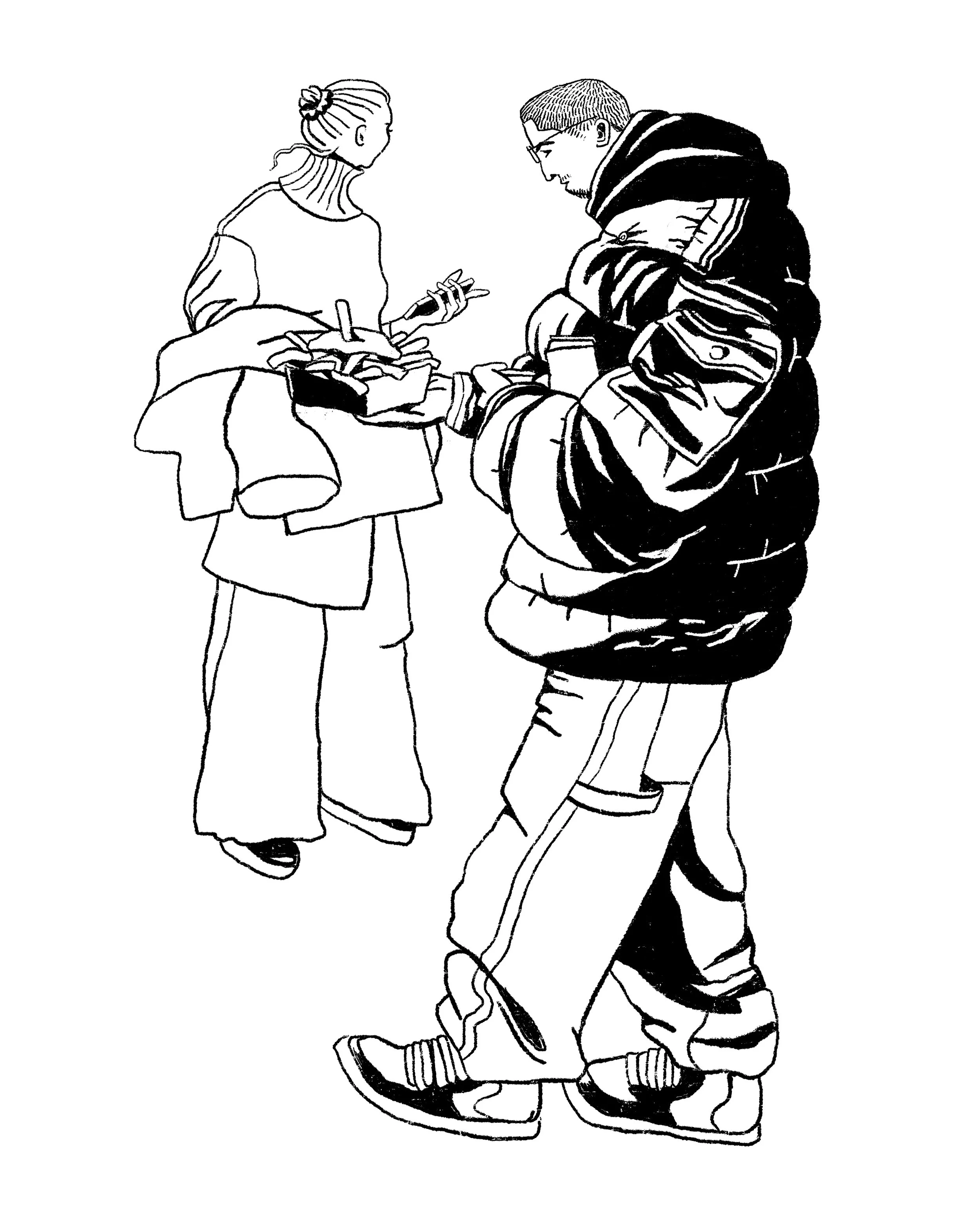
Amsterdam, 2026
When I sketch on location I have long been interested in much more than buildings or famous landmarks.
Very often I deliberately include the small everyday details that most people would overlook. A parked car, a bicycle, a street sign, a bus stop or people holding their phones or tablets.
At first glance these details seem completely insignificant. But over time they take on a whole new meaning.
A building can remain almost unchanged for decades or even centuries. The things happening in front of it are constantly changing. Cars get new designs, fashion evolves, advertising posters disappear and new forms of transportation become part of the streetscape.
It is exactly these small everyday details that later reveal when a sketch was created.
What feels completely ordinary today may be instantly recognized as typical of our time a few decades from now. An e scooter parked on the sidewalk, people wearing wireless earbuds or delivery bikes have become a natural part of everyday city life. One day these very things will remind us of a specific era.
That is why I never leave them out.

Of course I could simplify a scene and focus only on the architecture. But in many cases that would change the character of the place. Cities are shaped not only by their architecture but also by the people and the small details that make up everyday life.
For me sketching my surroundings is about much more than drawing a place. It is a way to preserve a moment and capture the time we live in.
Maybe that is exactly what makes it so special. As the years pass every sketch becomes a small historical record. Not because of the famous landmarks but because of all the quiet everyday details that we capture almost without thinking while we draw.
Want to learn more? Read Urban Sketching: Why This Timeless Practice Matters for Artists to discover why sketching on location has remained such a meaningful practice for artists.