Why My Best Creative Ideas Come When I Stop Looking for Them
This article was written in collaboration with Gunda Menkhaus, whose insights and contributions helped shape the piece.
1. When My Mind Suddenly Comes Up with New Ideas
1.1 Why My Best Ideas Never Arrive When I’m Looking
for Them
For a long time I was surprised that many of my best ideas never appeared while I was actively searching for them. Instead they showed up in the moments when I least expected them. While walking, standing in the shower or simply staring out of the window.
I used to think this was pure coincidence. Today I understand that my brain works differently during these quiet moments.
When we stop checking messages, stop working through tasks and stop filling every second with distractions, our brain begins organizing what we have experienced and connecting thoughts in new ways. Scientists call this the default mode network. The name makes it sound as if the brain is resting. In reality the opposite is true.
While we appear to be doing nothing our brain is building new connections. Memories, experiences and ideas suddenly come together. That is why a solution sometimes appears just moments after we have completely given up looking for it.
This realization changed the way I think about boredom. I no longer see it as wasted time. Instead I see it as the space where creativity can begin.
You have probably experienced this yourself. The moment you stop chasing an idea it suddenly appears.
1.2 Why Boredom Is More Creative Than I Ever Thought
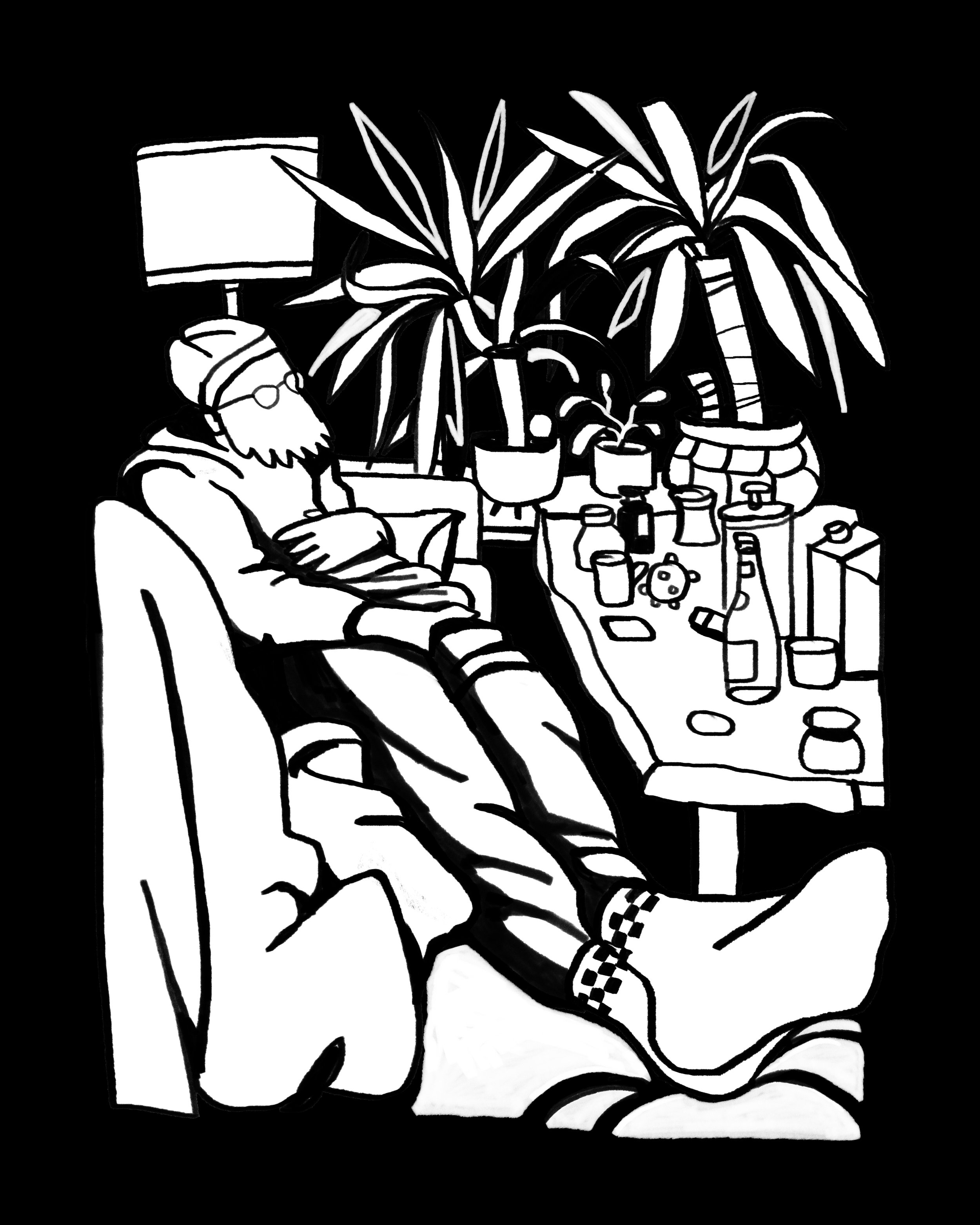
For a long time I thought boredom was always the same. Whenever nothing happened I felt as if something was missing. Today I see that there are different kinds of boredom and not all of them influence creativity in the same way.
Sometimes there is a calm sense of emptiness. There is no specific thought, no goal and no outside distraction demanding our attention. We sit on a beach, watch the sea and simply let the moment unfold. These are exactly the moments when our brain has the opportunity to organize experiences and build new connections.
Another form is day dreaming. We start with one thought and suddenly end up somewhere completely different. A memory leads to an idea and an observation connects with a past experience. What first feels random can become the beginning of something creative.
The type I find most fascinating is when we are busy with simple repetitive activities that require very little attention. While taking a shower, folding laundry or doing other routine tasks our body stays occupied while our mind becomes surprisingly free.
Almost everyone knows this feeling. You are focused on something completely unrelated and suddenly the solution you were searching for appears out of nowhere.
That is not a coincidence.
Our brain does not always need more information. It also needs time to process what is already there. While we seem to be doing nothing special our mind is quietly organizing, connecting and exploring new possibilities.
Boredom is not simply something we should avoid. Sometimes it is exactly the environment where creativity begins.
2. How We Often Hold Back Our Own Creativity
2.1 I Wanted Every Minute to Be Productive
At some point I realized how rarely I allowed my mind to rest. The moment I had a few free minutes I would almost automatically reach for my phone. I checked messages, answered emails or scrolled through social media. It felt productive. In reality my brain was constantly processing new information.
Today I sometimes ask myself a simple question.
When was the last time I simply waited without doing anything at all?
There was a time when this happened naturally. Waiting at a bus stop on the way to school, sitting in a waiting room or standing in line at the supermarket often meant spending a few quiet minutes doing absolutely nothing. Those small pauses gave our thoughts room to develop.
Today we almost automatically fill every empty moment. Our brain hardly gets the chance to create its own thoughts because new impressions keep arriving without interruption.
The surprising part is that creativity depends on these quiet spaces. It grows not only through new information but through the time our brain has to process everything we have already experienced.

2.2 Why My Brain Needs Time to Process Ideas
For a long time I believed creativity mainly came from collecting new experiences. The more I saw, read or tried the more likely I was to come up with something original.
Today I know there is another step that matters just as much.
Everything we experience is stored first. Only when our brain has enough time to organize these impressions and connect them with each other can a new idea emerge.
That is the important difference.
Collecting information is one thing. Turning it into something that is uniquely your own is something completely different.
Since realizing this I have started valuing quiet moments in a completely new way. They are no longer interruptions to my creativity. They are an essential part of it.
Because creativity is not only shaped by what we collect. It is shaped by what our mind is able to do with it.
2.3 Why Creativity Can’t Be Forced
Whenever I need an idea I often catch myself trying to force one. I sit down, think as hard as I can and expect my mind to come up with the perfect solution immediately. But the more pressure I put on myself the harder it becomes.
For a long time I thought I simply hadn’t found the right method yet. Today I know creativity works differently. You cannot switch it on like a light.
Our brain needs knowledge and experience but it also needs the freedom to build new connections. Under pressure our attention becomes narrow. We focus on finding one correct answer and overlook countless other possibilities.
That is one of the biggest differences between logical thinking and creative thinking.
When we solve a problem we usually search for the fastest path. Creative ideas often appear when our thinking becomes open again and begins exploring without a specific destination.
We have all experienced this. Sometimes we cannot remember someone’s name no matter how hard we try. The moment we stop thinking about it and focus on something else the name suddenly comes back.
Our brain never stopped working. It simply continued searching in the background.
The same is true for creative ideas. I do not have to force them because sometimes they appear the moment I remove the pressure.
Creativity does not only need the right thought. It also needs the space where new thoughts can grow.
3. How Giving My Mind Space Changed My Creativity
3.1 Ideas Need Time to Grow
Whenever I couldn’t come up with an idea straight away I assumed I just hadn’t found enough inspiration yet. It took me years to realize that many ideas develop much more quietly.
One experience made this especially clear.
During a walk my attention briefly stopped on the bark of an old tree. The warm evening light revealed its texture in a way that immediately fascinated me. I kept walking without giving the moment much importance.
A few days later I deliberately gave myself some time to do nothing in particular. Suddenly that image returned. Not as a memory but as the starting point for a new illustration.
That was the moment I realized the idea had not appeared out of nowhere.
It had been growing.
Maybe creative thoughts need exactly that. Time, silence and the freedom to develop without pressure. Not every observation has to become important immediately. Some experiences reveal their value much later.
Since then I have learned to trust these moments more. I no longer believe every idea has to be chased. Some of them find their way to us only after we give them enough room to grow.
3.2 My Way of Seeing the World Has Changed
Since I started giving my mind more space something unexpected has happened.
I notice things that I would have walked past without a second thought only a short time ago.
They are rarely spectacular. More often they are the small details that make all the difference. Interesting textures on old walls, different types of lettering I notice throughout the city or beautiful packaging designs at the supermarket.
In the past I probably would not have paid much attention to any of them. Today they stay with me far more often.
I think that is because my mind is no longer constantly occupied with new distractions. It finally has enough room to notice what has always been there.
For creative people this makes a huge difference.
New ideas do not only come from extraordinary experiences. Very often they begin with looking at ordinary things in a different way.
I notice this every time I draw.
A subject does not have to be rare or spectacular. What matters is whether I am willing to look closely enough to discover something I had overlooked before.
Maybe boredom changes more than our thoughts.
Maybe it also changes the way we see the world.
And sometimes that is exactly where creativity begins.
4. What I’ve Learned About Creativity
4.1 What I Know About Creativity Today
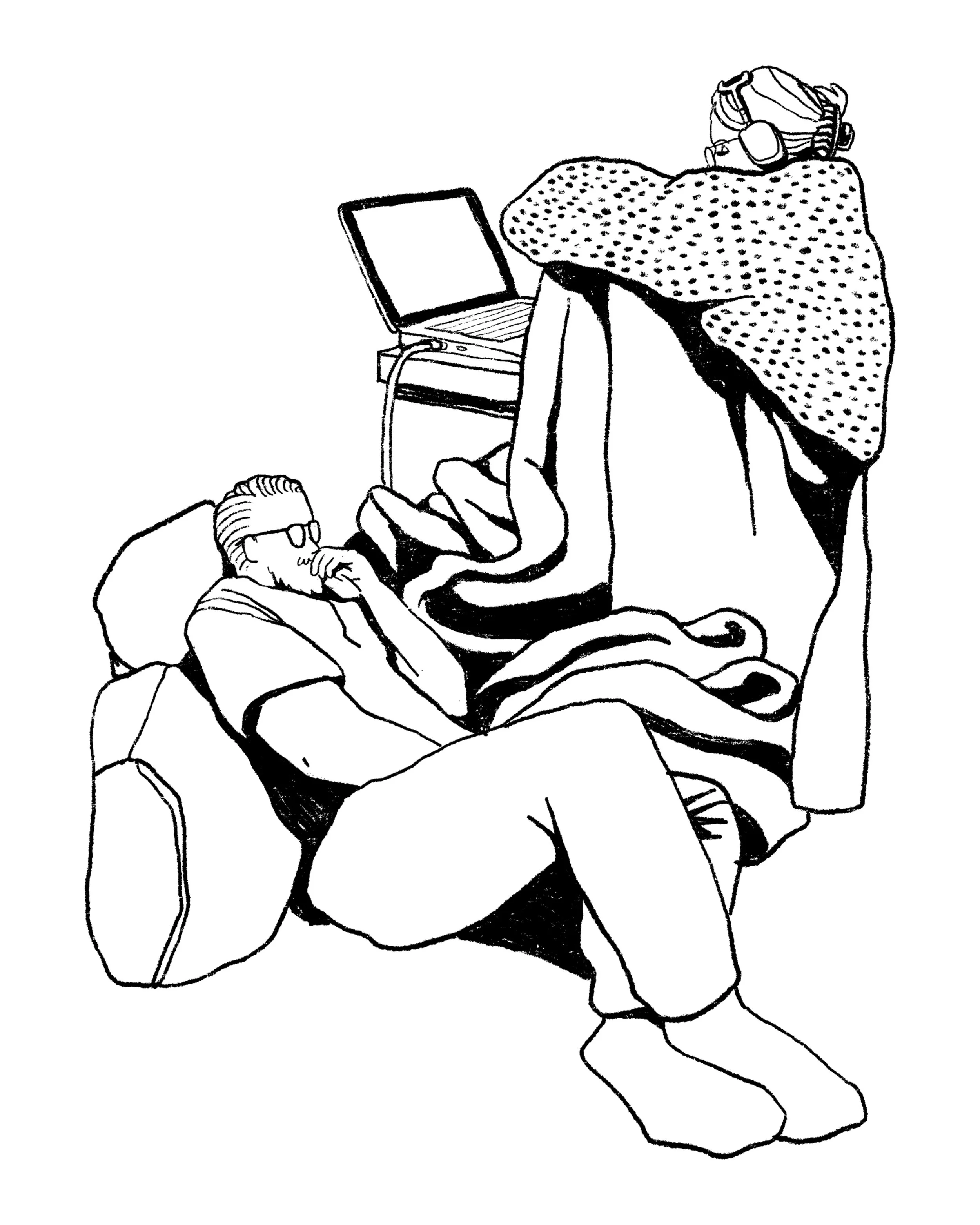
Writing this article and thinking more deeply about the creative process has changed more than my view of boredom. It has completely changed the way I understand creativity itself.
Here is what I have learned:
Creativity does not only happen during active moments. It often develops when I intentionally give my mind room to wander.
Not every kind of boredom is the same. The most valuable moments are often those when our thoughts can drift freely or simply come to rest.
Ideas cannot be forced. They often grow quietly in the background and only reveal themselves when the time is right.
An open mind is more valuable than constantly searching for something extraordinary. Some of the best inspiration is already hidden in the small details of everyday life.
To me creativity no longer means constantly searching for something new. It means seeing familiar things in a different way and turning them into something uniquely my own.
The more I explored this topic the clearer it became that creativity does not necessarily become faster with experience. Very often it simply needs more space.
4.2 Why I Now Make Space for Creativity on Purpose
When I look at my daily life today I realize that not only my understanding of creativity has changed. My relationship with quiet moments has changed as well.
I no longer expect these moments to produce fully formed ideas.
Instead I simply allow my thoughts to go wherever they want.
Creativity does not only grow through what we do.It also grows through what we allow.
Final Thoughts
When I first started thinking about boredom I wanted to understand why the moments when nothing seems to happen could be so important for creativity.
Today I think the real subject is much bigger than boredom itself.
Maybe it is about giving our mind the space it has slowly lost in modern life.
We live in a world where almost every empty moment can be filled. That is exactly why quiet moments have become so valuable. Not because they are empty. But because they create space.
Space for thoughts.
Space for new connections.
Space for ideas that cannot be forced.
Since realizing this I no longer automatically reach for the next distraction. Sometimes I let a thought remain unfinished. Sometimes I simply allow myself to pause.
And surprisingly those are often the moments when something appears that I could never have planned through effort alone.
Maybe after reading this article you will experience your next quiet moment a little differently. Not as wasted time. But as an opportunity.
Because creativity does not begin the moment we create something. Very often it begins much earlier. It begins in the quiet moments we usually overlook.
Feeling stuck creatively? Discover practical tips and inspiration in my article: How to Start Drawing When You Feel Stuck