This article was written in collaboration with Gunda Menkhaus, whose insights and contributions helped shape the piece.
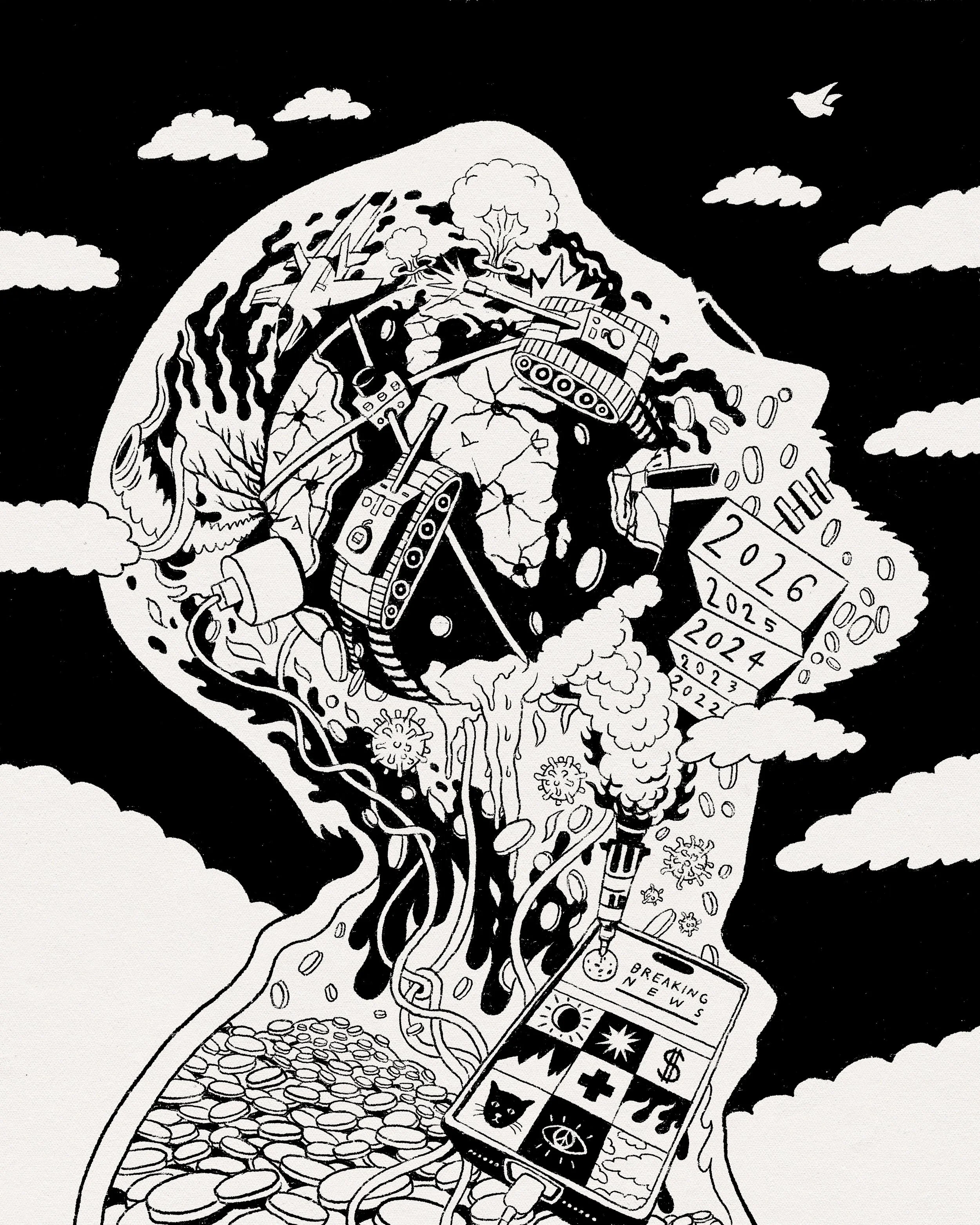
You’re sitting at your desk working on a new illustration. Music is playing in the background, someone nearby is talking and several windows are open on your screen. Your phone vibrates, a message pops up and another email arrives a few seconds later. Something new is constantly demanding your attention. You struggle to organise your thoughts but somehow you keep getting distracted by everything around you.
I know this feeling all too well from my own experience as an illustrator. Sometimes I just want to focus on drawing but there are emails to answer, projects to organise and new ideas waiting to be explored. On top of that, there’s the endless stream of visual inspiration we encounter every single day. And sometimes I reach the end of the day feeling like I've been busy the entire time without actually making much progress on the things I wanted to work on.
What Happens When Everything Becomes Too Much?
Overstimulation happens when we experience more sensory input than we can comfortably process. This can include sounds, bright lights, movement, conversations, smells and physical sensations. But it can also come from the constant flow of information we receive through our phones, computers and social media.
As creative people, we are surrounded by things that demand our attention. We develop ideas, observe the world, communicate with others and make countless decisions throughout the day. At the same time, we have deadlines to meet, new projects to start and unexpected tasks to deal with.
As an illustrator, exploring images, ideas and different perspectives is an essential part of my work. Inspiration is something I actively look for. But I've also realised that constantly exposing myself to new visual information can become exhausting. Especially when creative work is mixed with administrative tasks, social media and everything else that comes with everyday life.
And the causes of overstimulation can be very different. Sometimes it's a noisy environment. Sometimes it's too much information or too many interruptions. Other times it's stress, tight deadlines, high expectations or simply being tired before the day has even properly started. It's not just about how many things are happening around you. It's also about how intense they are and how long you're exposed to them. When there's no time to process everything, it can eventually start affecting your creative work.
Here are a few ways I've noticed this can happen.
1. You Start Losing Your Own Creative Direction
You look at other artists' work, discover new styles and follow the latest creative trends. At first, everything feels exciting and inspiring. But eventually you start comparing your own ideas to everything you see. Suddenly your original concept doesn't seem quite as interesting anymore. Maybe you should try a different style. Maybe your idea isn't good enough. Maybe you should change everything even though you were perfectly happy with your direction just a few hours earlier.
As an illustrator, I sometimes find it difficult to completely avoid this. There are so many incredibly talented artists out there and every day brings new work to discover. I genuinely love that. But I've learned that not every inspiring image needs to influence my own work. Sometimes it's better to appreciate someone else's creativity without questioning your own.
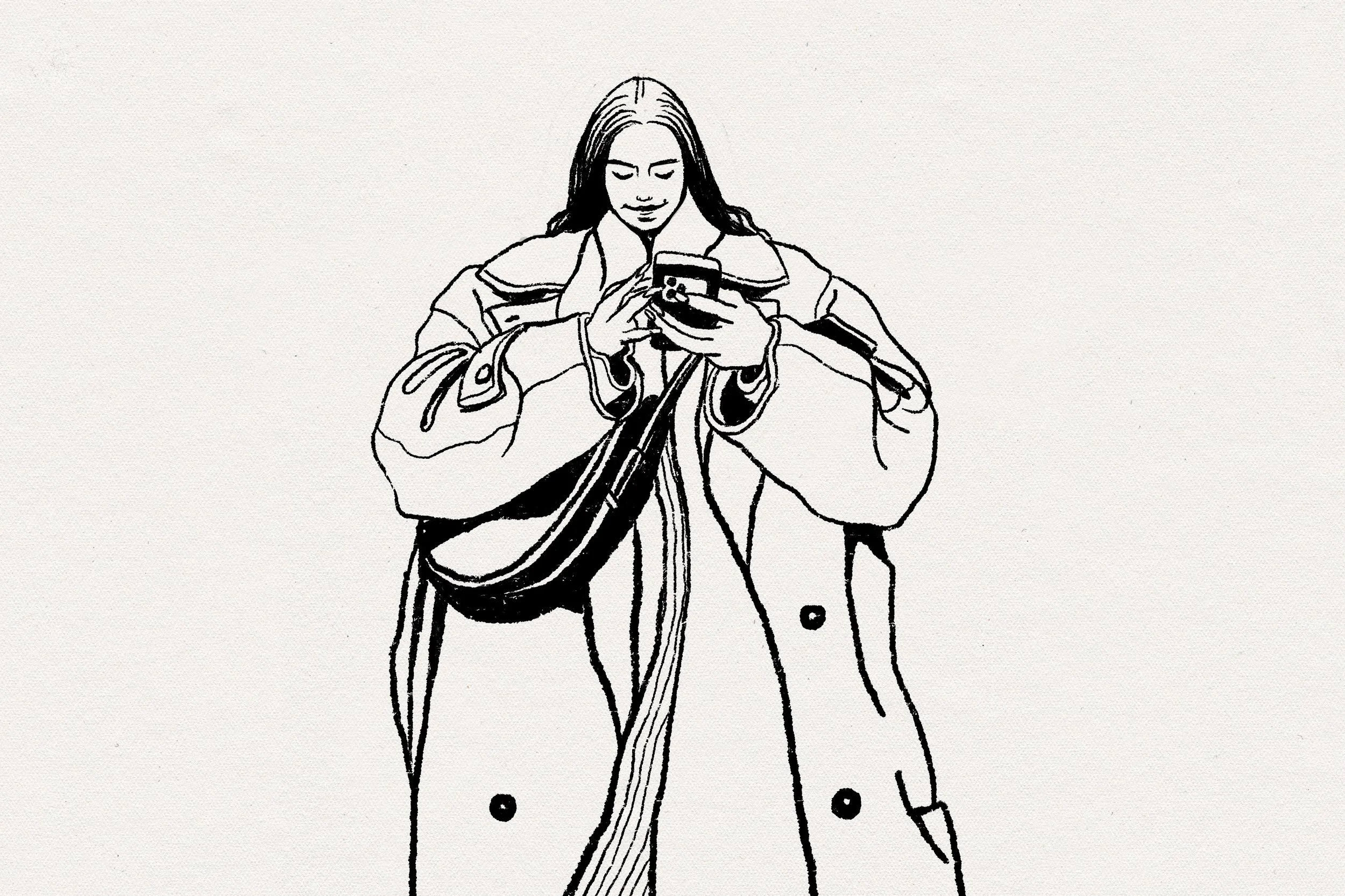
Social media can be an incredible source of inspiration but it can also create unnecessary pressure. I've explored this relationship in more detail in my article about whether artists really need social media to be successful.
2. Making Decisions Becomes Harder
You have several good ideas for a project but none of them feels quite right. You go back and forth between different possibilities. You keep changing your mind, rejecting concepts and starting over. Instead of making progress, you end up going in circles. Having more options doesn't always make creative work easier. Sometimes it simply makes choosing more difficult.
3. You Feel Busy Without Making Progress
This is another situation I know very well from my own working life. You answer a message, quickly look something up for a project, take care of a small administrative task and check Instagram in between. Each individual activity seems useful. But together they create a working day where you're constantly switching between completely different things. By the end of the day, there's barely any time or mental energy left for the creative work you actually wanted to focus on.
How to Deal With Overstimulation as a Creative Person
You can't control everything that happens around you. But you can make more conscious decisions about how you organise your day and what deserves your attention. Over the years, I've tried different approaches to make my creative work feel less overwhelming. Of course, there isn't one perfect solution that works for everyone. What helps also depends on what's causing the overstimulation in the first place. But these are some of the things that have personally helped me the most.
1. Create a Clear Structure for Your Working Day
For me, this is probably the most important thing of all. I've realised that feeling overstimulated doesn't always mean there are simply too many things happening around me. Sometimes the real problem is that I haven't clearly decided what I want to focus on and when.
Being a freelance illustrator involves much more than just drawing. There are projects to organise, emails to answer, potential clients to contact and content to create for my own platforms. When I try to do everything at the same time, my working day quickly becomes chaotic.
That's why I find it incredibly helpful to plan my tasks in advance and set clear priorities. What really needs to get done today? What can wait until tomorrow? And when do I want to spend time exclusively working on my illustrations?
Having a good structure doesn't mean planning every single minute of the day. Quite the opposite. It means creating enough clarity that I don't have to constantly think about everything else I should be doing while I'm trying to be creative. For me, that alone makes a huge difference.
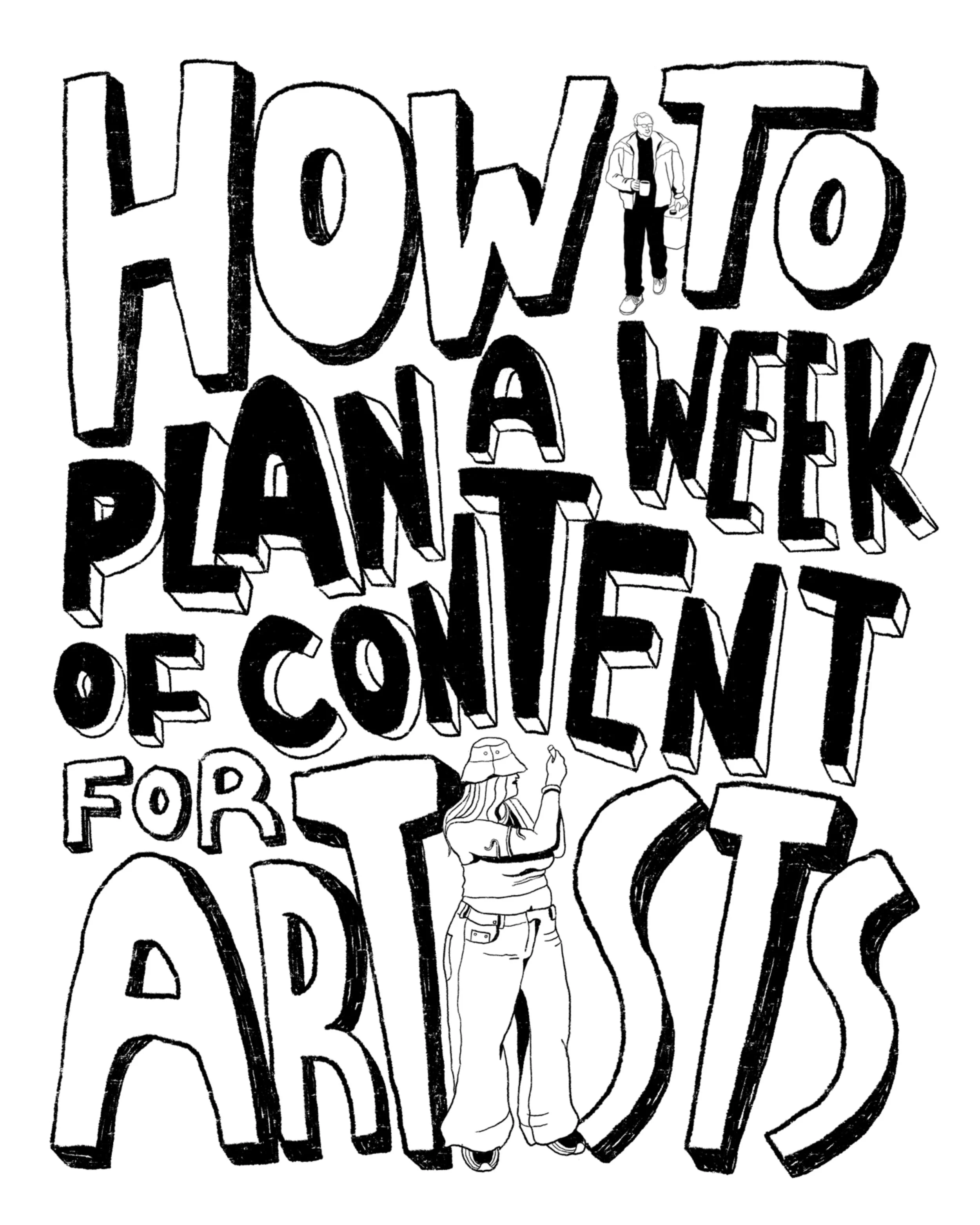
If organising your creative work and social media feels overwhelming, I've also written about how I approach content planning as an artist. A simple weekly structure can make a surprising difference.
2. Adapt Your Workspace to What You're Doing
Different creative tasks require different environments. When you're working on a detailed illustration, a quiet space might help you concentrate. When you're brainstorming new ideas, a more lively environment might actually be inspiring.
Try to notice what helps you with each particular task. Sometimes small changes can already make a difference. Cleaning your desk, closing unnecessary browser tabs or turning off the music might be enough to make your workspace feel less overwhelming.
I've noticed that I don't need the same environment for every creative activity. Sometimes I enjoy listening to music while drawing. Other times I find it much easier to concentrate without any additional noise. The important thing is finding an environment that supports what you're doing instead of constantly competing for your attention.
3. Group Similar Tasks Together
Instead of spreading emails, messages and administrative work throughout your entire day, try setting aside specific times for them. This reduces the need to constantly switch between different activities and allows you to dedicate longer periods to your actual creative work.
I find these uninterrupted working sessions especially valuable when I'm developing an illustration. Once I've really immersed myself in an idea, I don't want to interrupt that process every few minutes to deal with something completely unrelated. Sometimes protecting your concentration is more valuable than trying to get as many small tasks done as possible.
4. Know What You're Looking for Before You Start Researching
Research can be one of the easiest places to get lost. You start with one simple question and suddenly you have fifteen browser tabs open. One image leads to another, you discover an interesting artist and before you know it you've spent far more time browsing than you originally planned.
I often research visual references for my illustrations. And while this can be an incredibly useful part of the creative process, it's also easy to get distracted by images that have very little to do with my original idea.
That's why I try to be more intentional about what I'm actually looking for. What information do I need right now? What kind of reference would help me move forward? And once I've found it, can I stop searching and get back to creating? Inspiration is important but at some point you have to stop looking for new ideas and start working with the ones you already have.
5. Trust Your Own Creative Ideas
New styles and trends can be inspiring but they don't always have to become the standard against which you judge your own work. Maybe you discover a particular visual style that's suddenly everywhere. Before questioning your entire creative direction, ask yourself whether your original idea really needs to change. Not every new trend requires you to change the way you create.
I think it's important to regularly remind ourselves why we started making certain kinds of work in the first place. It's wonderful to be inspired by other artists. But it's equally important to trust your own instincts and give your ideas enough space to develop. Sometimes the best thing you can do is simply continue with what you originally believed in.
6. Pay Attention to What You Actually Need
When you're busy, it's easy to move from one task to the next without really checking how you're feeling. But sometimes it's worth asking yourself whether your current routine is actually working for you. Maybe you need some movement. Maybe you want to go outside. Or maybe you just need a few minutes without music, conversations or screens.
A short walk, some time sitting on a park bench or a few quiet minutes on your balcony can be a welcome change. I also think that people who work creatively sometimes feel pressure to make their free time productive too. You might feel like you should always be sketching, collecting inspiration or developing your next idea.
But not every walk needs to inspire a new illustration and not every free afternoon needs to lead to something productive. You don't have to fill every spare minute with something useful.
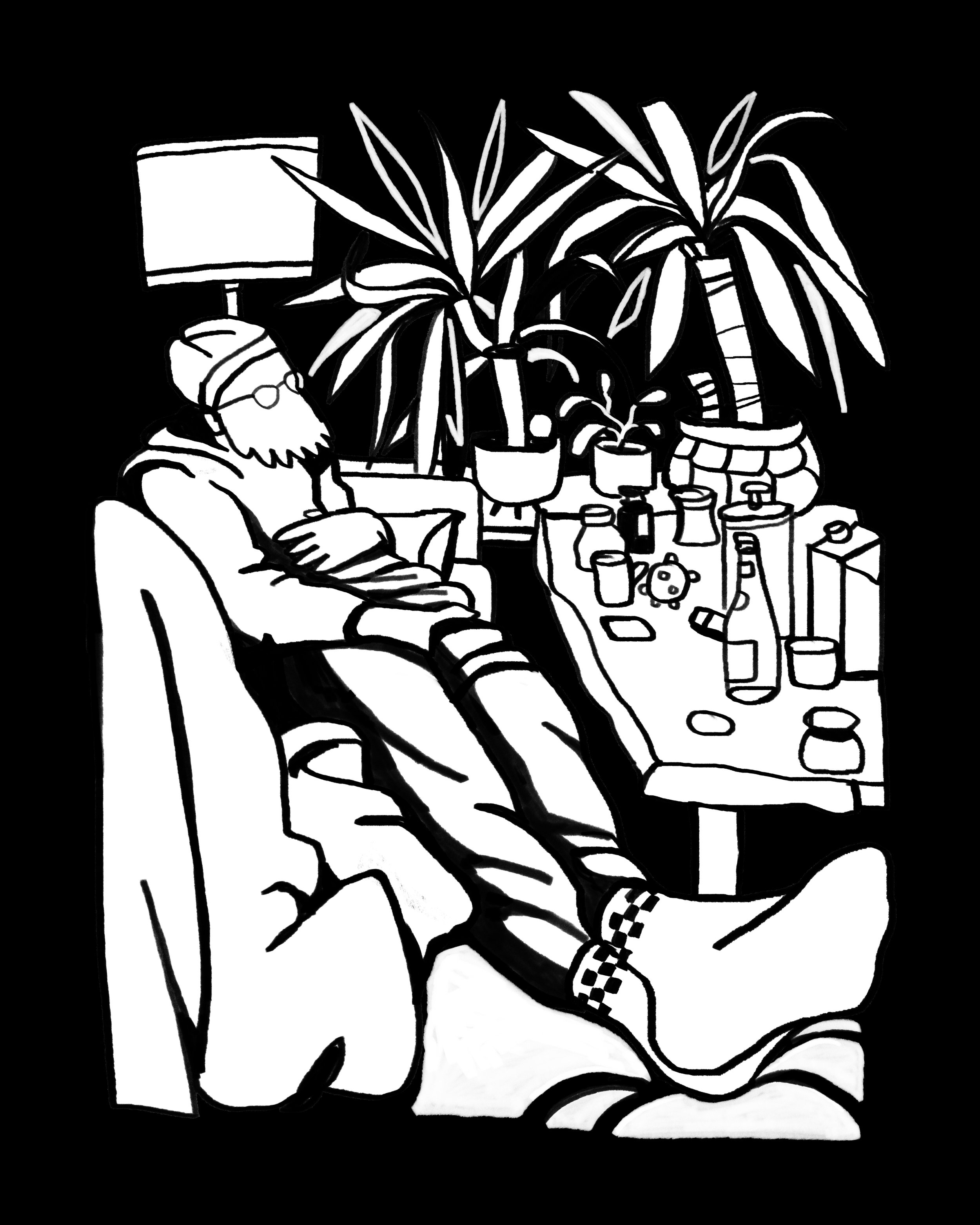
I've also explored why some of my best creative ideas appear when I stop actively searching for them. Sometimes doing less gives our minds exactly the space they need to become creative again.
Give Yourself Space to Think and Create
We live in a world where something is constantly competing for our attention. New messages, images, opinions and ideas are always just one click away. But you don't have to absorb everything and you certainly don't have to respond to everything. There's nothing wrong with consciously stepping away from that constant stream of information.
One of the most important things I've learned is that having a clear structure in my everyday life often helps me much more than constantly trying to become more productive. Of course, not every day goes according to plan. I still get distracted. I still spend too much time looking at things that don't really matter. And there are still days when I struggle to focus on my illustrations.
But knowing which tasks are important, when I want to concentrate on creative work and when everything else can have its place already takes away a lot of unnecessary pressure.
Because creativity doesn't just need inspiration and new experiences. It also needs quiet moments and enough mental space to turn all those impressions into something of your own.
And sometimes the best thing you can do for your creativity is simply to try doing a little less.

Looking for tools to support your creative journey? Check out my Tools & Resources page for the equipment and materials I use and recommend.