Portrait Drawing: Why Faces Fascinate Me
For me, there are few things more fascinating than drawing portraits.
You can spend an entire day sketching buildings, landscapes or objects. But as soon as someone looks through your sketchbook, the portraits are almost always the first drawings that catch their attention. Faces naturally attract our focus. We are wired to recognize emotions, personality and identity within them. That is exactly what makes portrait drawing so fascinating.
Especially in recent years, drawing portraits has never been only about creating the most realistic resemblance possible. For me, it has become a way of seeing people more consciously and from a different perspective. Every face tells a story, often long before a single word is spoken.
Every Face Is Unique
One of the reasons why portrait drawing never becomes boring is the incredible variety of human faces. No person looks exactly like another. Even identical twins have small differences when you take the time to observe them closely.
Some people have distinctive features that immediately catch your attention. Others may seem ordinary at first glance and become more interesting the longer you look at them. A subtle smile, tired eyes, freckles, wrinkles or the way someone holds their head can completely change the feeling of a portrait.
This endless variety makes every portrait a new discovery and ensures that drawing never becomes repetitive.
Drawing Changes the Way We See People
Many artists say that drawing changes the way they perceive the world. I believe that drawing portraits especially changes the way we see other people.
Instead of simply recognizing someone for a moment and moving on, you start noticing details that most people overlook. You begin to observe how light shapes a face, how an expression changes within seconds or how personality can often be found in the smallest gestures.
When you draw many portraits, this way of observing eventually becomes natural. In a café, on a train or at an airport, unfamiliar faces suddenly become an endless source of inspiration.
Especially when travelling or being out in everyday situations, I often notice faces that I would love to draw. Sometimes I recognize similarities to people I know personally or people who are close to me. It is a result of the habit you develop through constantly observing.
However, I do not think that I look at people more often or for a longer time than others. I think the difference is simply that I have developed a different way of looking.
A Portrait Is More Than a Photograph
A photograph captures a single moment. A drawing, however, develops over a longer period of time.
At first, this might seem like a disadvantage. In reality, it is one of the greatest strengths of drawing.
While creating a portrait, you spend a significant amount of time truly looking at a face. You discover details that you would otherwise never have noticed. The process of drawing forces you to slow down and pay closer attention.
Often, by the end of the process, you have the feeling that you know the person in front of you a little better, even if you have never spoken a single word with them.
This is something photography rarely achieves, except perhaps when someone spends more time exploring a person through a whole series of images.
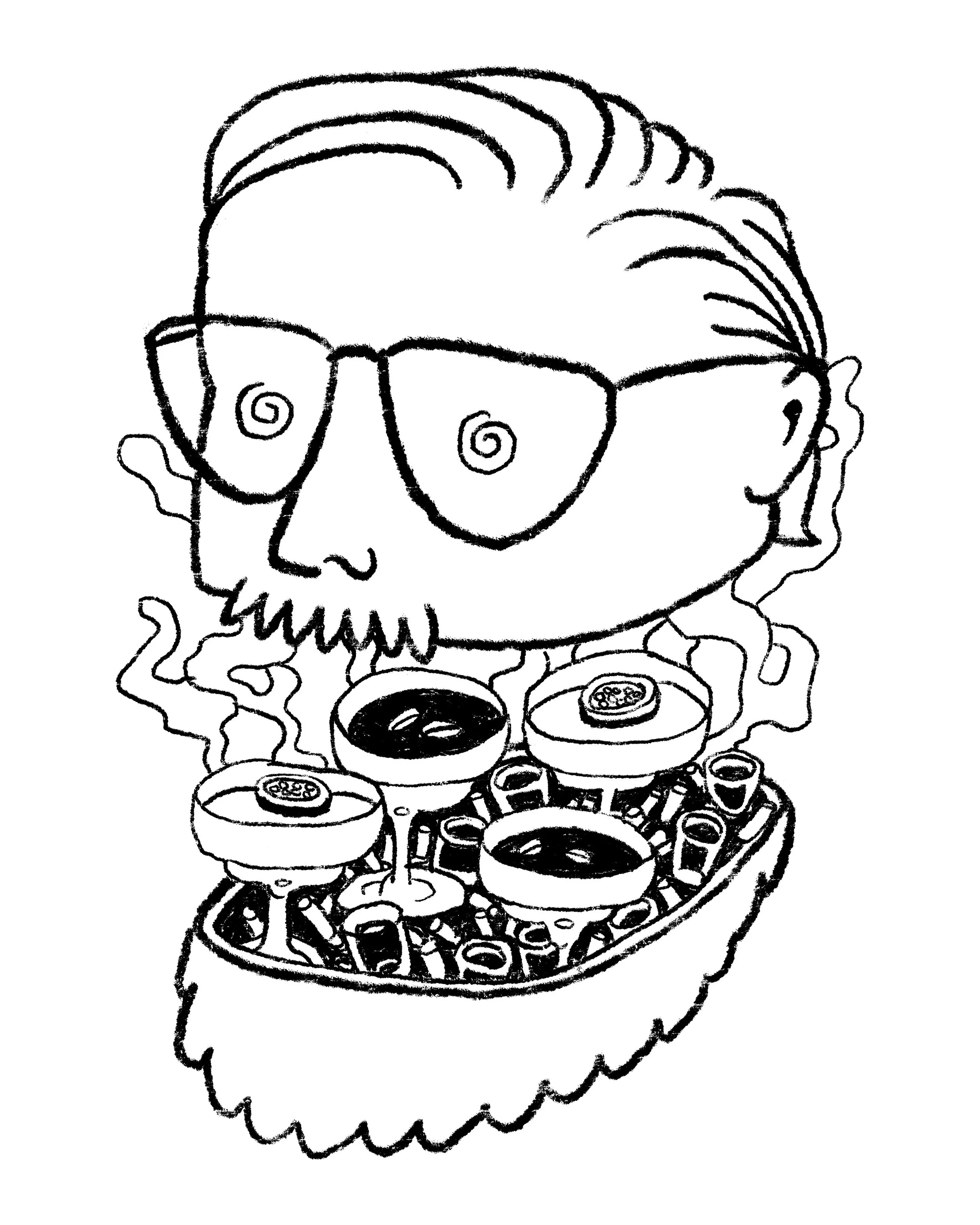
Unlike photography, drawing also gives you the freedom to add or remove certain elements. This can be used to emphasize a feeling or a moment, like in this quick self-portrait that I created in May this year after a long evening at a bar.
Small Imperfections Make a Portrait Feel Alive
Many beginners try to draw every detail perfectly. I was exactly the same for a long time. They erase constantly, correct every line and try to remove every small mistake.
But often, these small imperfections are exactly what give a portrait its character.
Loose lines, visible sketch marks or slightly exaggerated facial features can communicate much more personality than a completely polished and flawless drawing. Many of the most powerful portraits are not impressive because they only capture similarity. They are impressive because they capture character.
The goal is not perfection.
The goal is to make a person feel present.
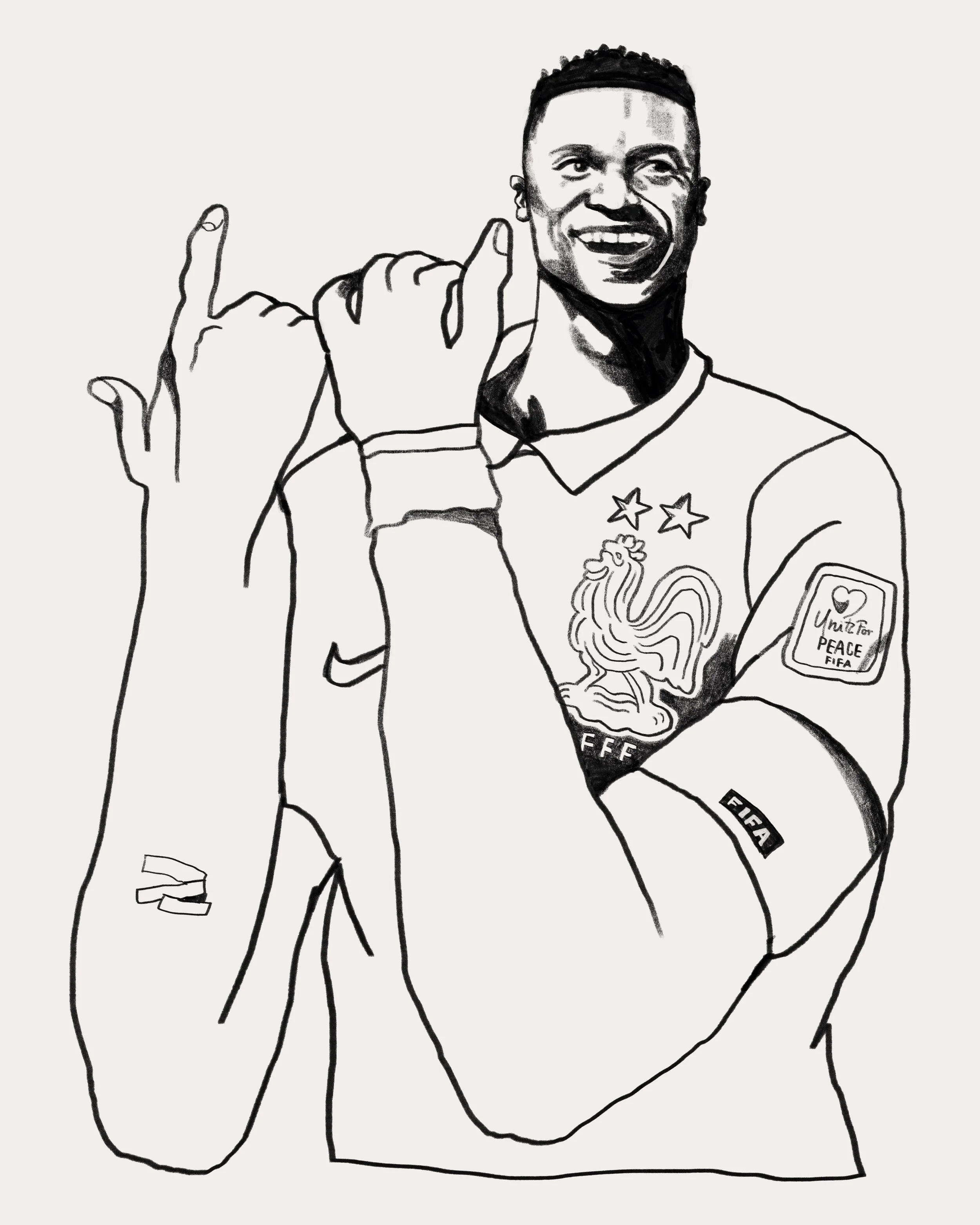
Here is a portrait of Kylian Mbappé that I created during the 2026 FIFA World Cup. When drawing well-known personalities like him, my goal is to create a clear sense of recognition while also bringing my own personal style into the artwork.
Why Portrait Drawing Helps Every Artist Improve
Even if portraits are not your main area of focus, it is worth drawing them regularly.
Portrait drawing teaches patience because careful observation is essential. It trains your ability to truly compare shapes instead of relying on what your brain expects to see. At the same time, you develop a stronger sense for small differences. This is a skill that transfers into almost every area of drawing.
Whether you later create editorial illustrations, character designs, urban sketches or personal artwork, the ability to observe people carefully will continue to enrich your work.
Drawing portraits therefore means much more than simply being able to recreate a face realistically. It means learning to see better.
In my blog article Drawing What You See, Not What You Think You See, I explore this topic in more detail and explain why learning to observe is one of the most important skills for every artist.
Conclusion
Portrait drawing has been practiced for centuries. Yet even experienced artists continue learning from it throughout their lives.
Every new face brings different proportions. Every expression changes the feeling of a portrait. And every type of light creates a completely new atmosphere.
That is exactly what makes it so exciting.
It never becomes repetitive because people themselves are never repetitive.
Maybe this is the most important reason why so many artists return to portraits again and again. Not because they are searching for perfection, but because every face offers a new opportunity to understand and appreciate the people around us a little better.
Small tip before you go:
If you're looking for inspiring portrait references to improve your drawing skills, I highly recommend visiting Earthsworld. The photographer Earth has spent years capturing candid portraits of people with remarkable character and expression. His photographs have become a favorite reference source for many artists, and the website even features artwork created from these images, making it a wonderful place to find inspiration for portrait drawing.